

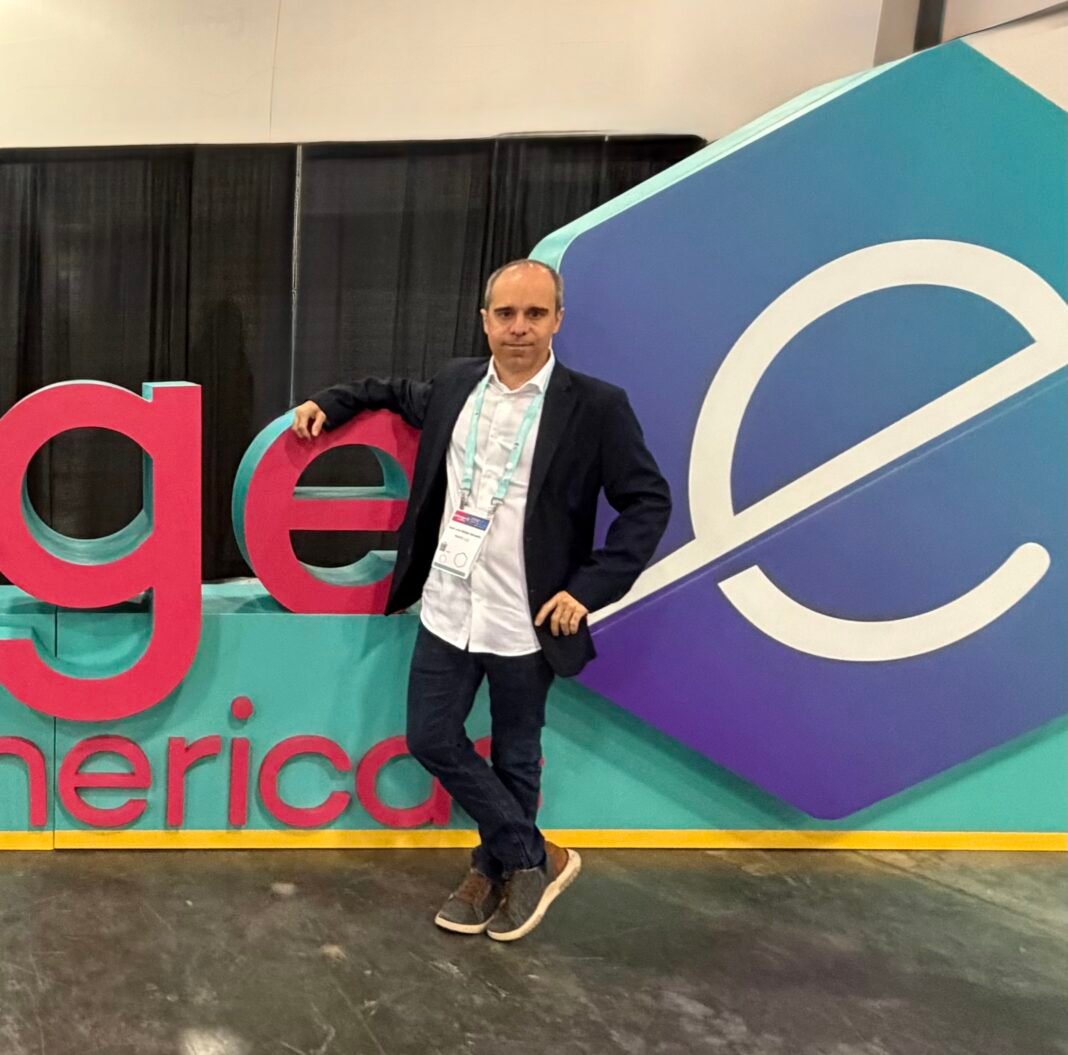
Broward is witnessing an unprecedented tech boom. As you prepare for eMerge Americas 2026, what is the definitive message you want to deliver to the innovators and policymakers shaping our region?
We are currently at a historic crossroads. It is no longer enough to simply adopt the latest platforms or “buy” innovation. The true challenge—and the real opportunity—is mastering the tools already in our hands. Owning technology is a hollow victory if you lack the strategic vision to deploy it for the greater good of society. My message is simple: we must transition from being tech consumers to becoming tech masters who prioritize efficiency and public trust.
Participating in an event of this scale often feels like a global showcase. What does it represent for you to stand as a symbol of technical excellence within the South Florida community?
It is an invaluable opportunity for continuous learning. I view this through a dual lens: as a proud American resident and as a citizen of an integrated America. It is the moment to prove that our regional technical talent—specifically our Hispanic technical community—is the primary engine driving the infrastructure that sustains this nation. We aren’t just part of the conversation; we are building the foundation.
Safeguarding our Schools and Youth
The conversation around National Security has moved from physical borders to data streams. Given your extensive collaboration with Florida’s public school districts, what are the tangible risks facing our students, and how are you neutralizing them?
My methodology is rooted in the front lines—working directly with the educators and bookkeepers who handle sensitive data every day. To measure risk effectively, you have to analyze the “outer limits” of every process. My philosophy is to work as if I were the end customer myself. By empathizing with the vulnerabilities of a parent or a teacher, we can engineer solutions that shield student privacy with surgical precision. We don’t just build code; we build digital armor for the next generation.
You’ve often described school-based cybersecurity as an ethical imperative. Why is protecting student data a non-negotiable priority for a strategist at your level?
Consider the risk in a simple phone transaction where a clerk writes down your credit card info on a piece of paper. That human intermediation is where fraud lives. The school environment is no different. My mission is to simplify and automate, removing unnecessary intermediaries from the data-entry chain. By creating direct, secure architectures, we eliminate deficient communications and ensure the integrity of information for our most vulnerable citizens: our children.